
Whoa! I dropped my crypto key on a sidewalk once. Seriously, that flash of panic is something you never forget. Initially I thought a paper backup was enough, but then I realized the practical risks—coffee spills, fading ink, and the sheer awkwardness of hiding paper in a rented apartment made me rethink cold storage. So I started looking at card-based hardware wallets.
Here’s the thing. Card wallets feel different in your pocket than a little USB dongle. They are physical, flat, and often built to be tamper-resistant. On one hand the convenience is immediate — tap-to-sign with NFC, minimal drivers, and a reassuring weight — though actually there are trade-offs around device recovery and backup workflows that deserve attention. My instinct said user experience would win, and in many cases it does.
Hmm… Let me be honest, though: security is messy. Not all “hardware” is equal, and marketing can be deceptive. Initially I trusted several vendors because of slick apps and celebrity endorsements, but then I dug into threat models and supply-chain risks and my confidence shifted, which changed how I evaluate firmware audits, manufacturing transparency, and the ability to operate truly offline. That scrutiny made the Tangem approach stand out for me.
Really? Tangem cards are NFC-enabled chips sealed into a plastic card. They behave like a bank card but hold private keys securely isolated from the phone. On a practical level that means you can initiate a transaction on your phone, tap the card, approve on the device via a secure element, and the key never leaves hardware, which addresses a large portion of mobile threat models while keeping the UX low-friction for people who don’t want to carry bulky devices. I liked that flow right away.
Wow! But there are nuances, and I had to test fail-safes. For example, if you lose the card you need a recovery plan. Initially I thought a single backup stored in a safety deposit box would suffice, but actually, wait—let me rephrase that—redundant, geographically-distributed backups with clear, tested recovery instructions are essential because people move, die, or forget passphrases and the last thing you want is an unrecoverable cold wallet. So I set up multi-card backups and practiced recovery several times.
Okay, so check this out— I keep one card in my wallet and a second sealed in a fireproof safe. A third lives with my lawyer for extra redundancy (oh, and by the way…). On paper this sounds excessive, but once you model real-world events like house fires, theft, and cognitive lapses the redundancy cost is minor compared to the potential total loss of assets if you rely on a single point of failure. The workflow is simple: create, back up, test, and record recovery steps in plain language.
I’m biased, but cards are less intimidating at family onboarding sessions. Friends who’ve avoided hardware dongles warmed up to the card form-factor immediately. On the flip side enterprise-grade custody often needs multi-sig setups and robust key rotation policies, so single-card cold storage isn’t a one-size-fits-all solution, and you should design processes that match organizational risk appetites rather than assuming consumer convenience equals institutional suitability. That trade-off is worth acknowledging early on.
Something felt off about privacy being glossed over in product pitches. NFC introduces metadata risks if an app leaks transactions. Therefore, auditing the companion mobile app and reviewing permissions, network traffic, and where signing happens matters more than pretty marketing screenshots, because the handshake between phone and secure element is where subtle leaks can convert offline keys into online fingerprints that reveal more than you intended. Test with airplane mode and a local node when possible.
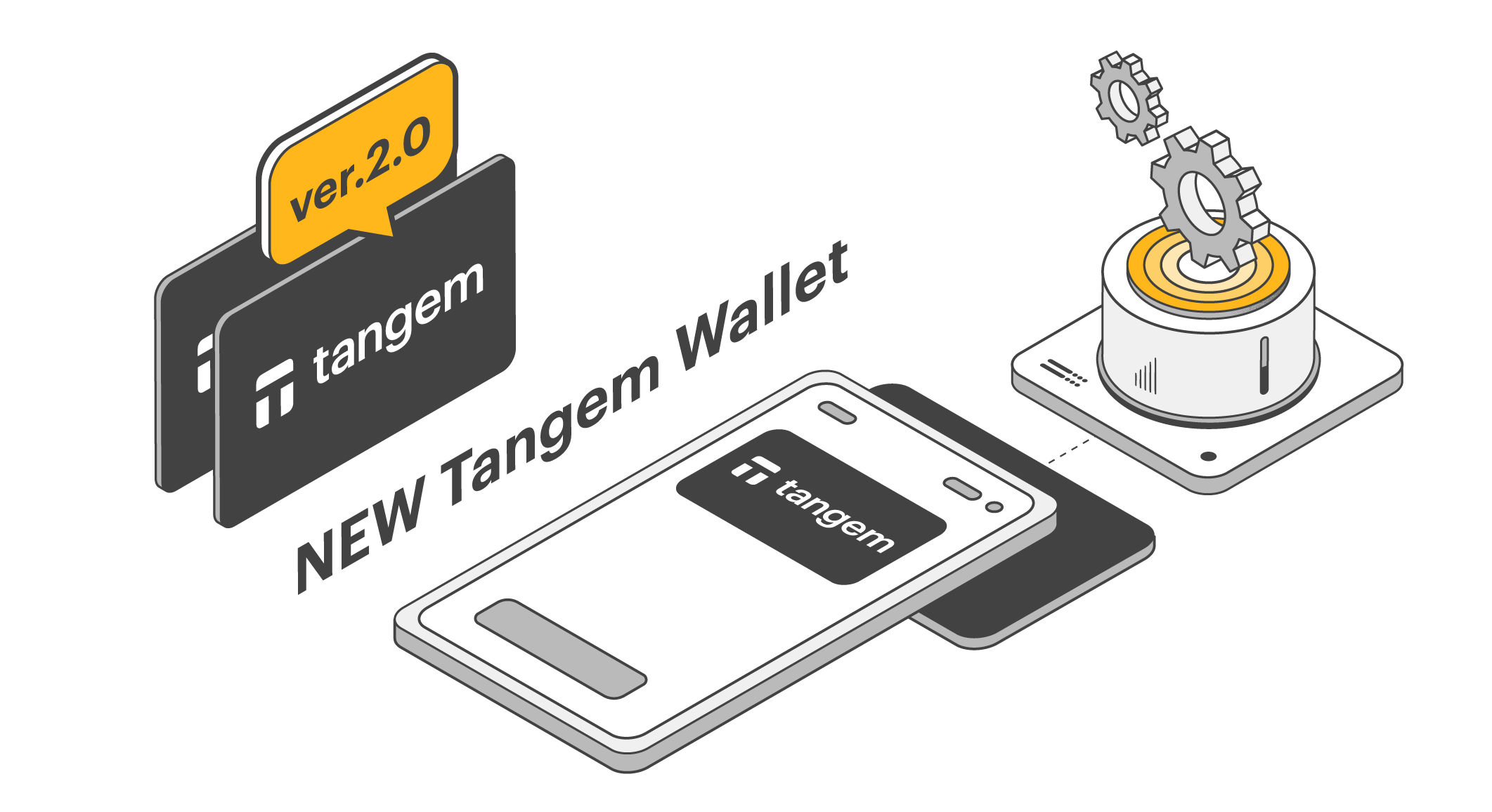
How I use a Tangem card in daily practice
I bought a couple of cards and followed the guides, and the tangem wallet experience plugged right into my day-to-day routine without demanding a mini-IT degree. I’ll be honest. Setup was a little fiddly the first time. Documentation assumed familiarity with seed phrases and derivation paths. On the other hand the company has improved UX over time, and the community resources made recovery much easier, though I still had to re-read a couple of guides and ask a forum question to clarify a subtle backup nuance. So patience and a test recovery are essential.
This part bugs me: cost remains a barrier for some users. But when you amortize it over years, the math shifts. If you’re securing real value, a small upfront hardware expense buys you time-tested controls and peace of mind that paper or software-only solutions rarely offer, especially when human error is the dominant failure mode for most retail investors. Do your own threat modeling before picking a path.
Something I won’t sugarcoat. If you value control, card-based cold storage is compelling. It marries familiarity with the strongest hardware protections available to consumers. My final take is pragmatic: if you’re willing to do the small work—buy two cards, test recovery, and document steps for loved ones—then a card like this can be a reliable pillar of a diversified custody strategy that reduces single points of failure without adding unbearable friction. I still recommend cautious testing and periodic drills.
FAQ
Is a Tangem card truly “cold”?
Yes and no. The private key resides in a secure element and never leaves the card, which makes it cold by design. However the transaction flow touches your phone briefly to build and broadcast transactions, so treat the phone as a potentially noisy channel and minimize app permissions. Practice offline signing where feasible to reduce exposure.
What happens if I lose my card?
That depends on your backup plan. If you used single-card storage with no backups you could lose access permanently. Very very important: make redundant backups, keep them geographically separated, and test recoveries. A tested recovery process beats theoretical perfection every time.
Are card wallets for everyone?
They fit many users—especially those who want simple, tangible custody. They’re not a silver bullet for institutional needs that require multi-sig, HSMs, or complex key lifecycle processes. I’m not 100% sure you’ll choose a card, but if you value ease-of-use without giving up hardware protections, it’s worth somethin’ to try one and run the recovery drill.